EMKAAN conceptualizes floating, drone-like circadian clouds to cool our cities
Areas of our cities and towns will be shaded by floating, drone-like cells in the future, according to EMKAAN, with their circadian clouds design. As an architecture and engineering consultancy based in Dubai and Abu Dhabi in the UAE, EMKAAN understands the need to cool down our urban environment. They are on a mission to enable this idea and transform it into a reality. This could be soon, as the project won the international ‘cool Abu Dhabi’ award in 2020, selected from over 1,500 entries from more than 76 countries.
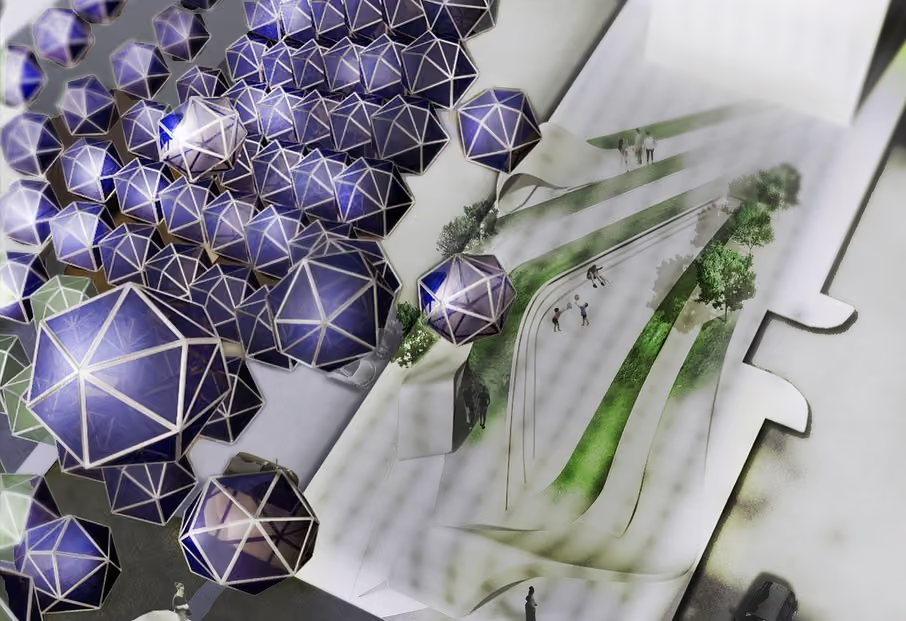
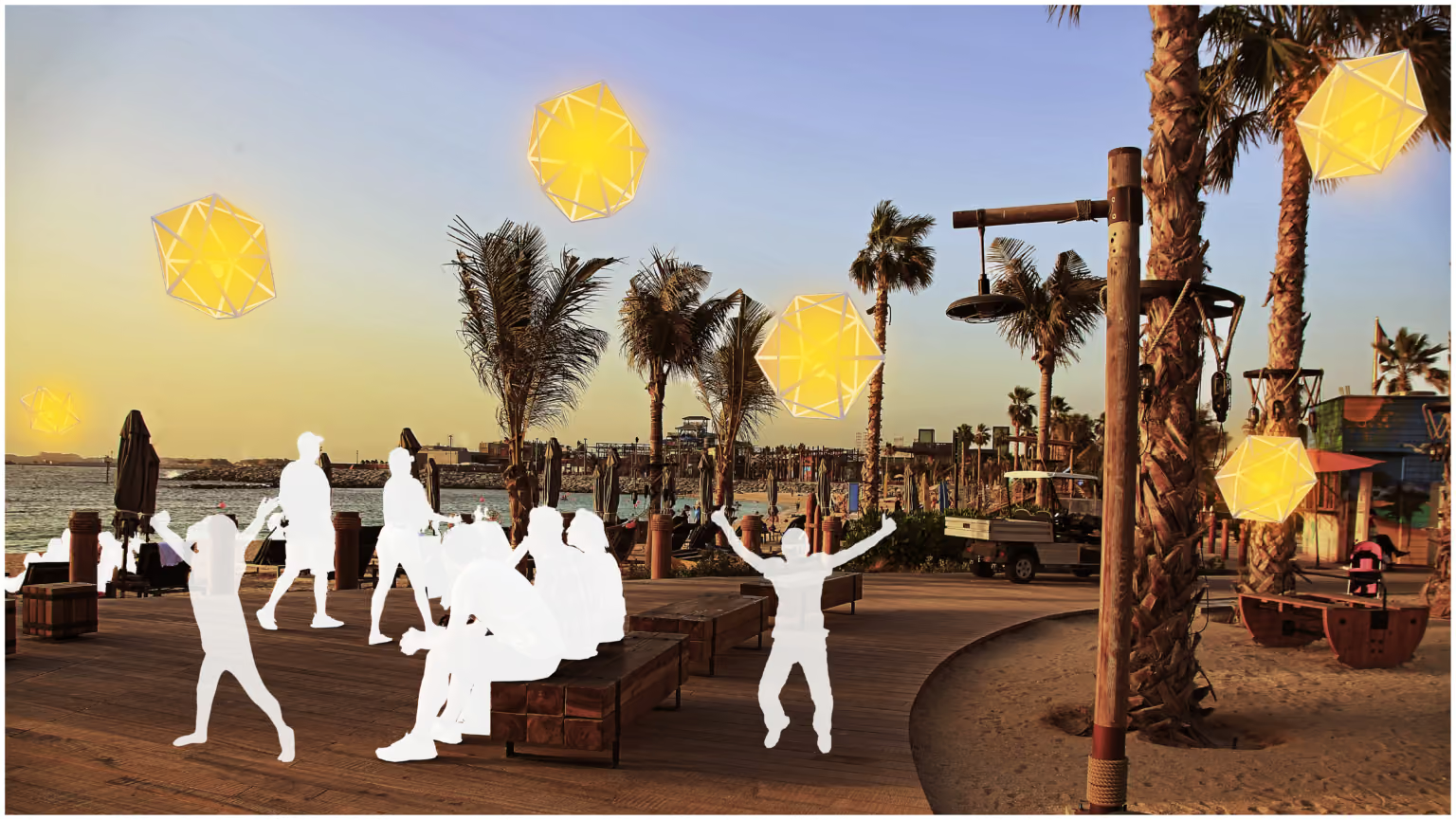
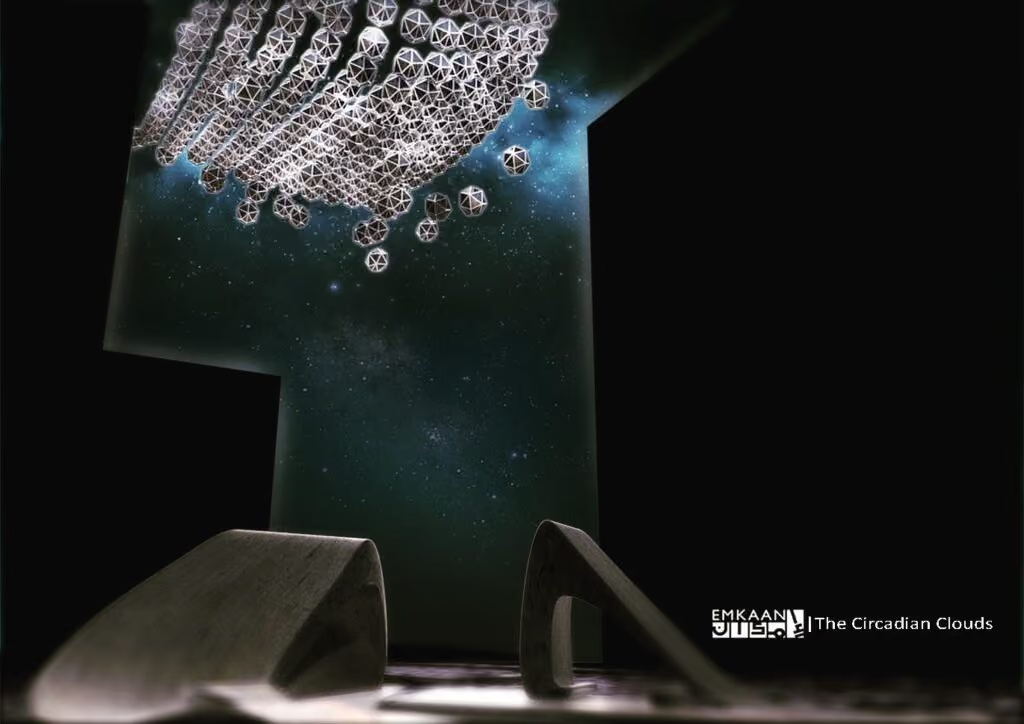
The design resembles a cloud but is actually formed by an orchestra of small, synchronized floating cells. Each one is lined by a structure of sunlight sensors, photochromic panels and 3D rotated fans, which help it control and adjust its position. A helium balloon then sits at the centre of the cell. Its sunlight sensors help the drone-like devices to detect, respond and follow the sun to block direct light continuously. Collecting energy through its photochromic sheets, the cells disperse and light up as if scattered chandeliers at night.
Acting as its namesake, the EMKAAN circadian clouds design creates a cooling solution for urban outdoor public spaces. These areas still feel outside as only direct sunlight is blocked. The clouds also function as a gateway element to help wind flow in cities and towns as another measure to maintain thermal control. The result engages the community by enabling a public space for different, enjoyable activities outside.
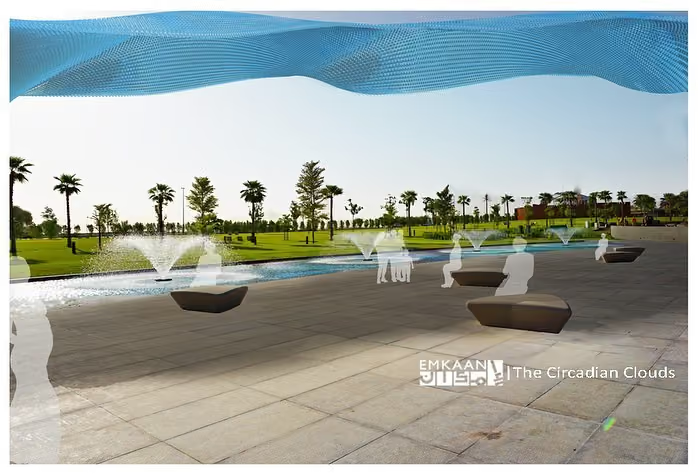
Source: Design Boom
What’s Next in Architecture? How Tech is Redefining Design
The Architecture of Belonging: Designing for Connection and Community
Fly to your home?
Rising temperatures spell bright future for passive cooling
Architects need to design cooler buildings in the UAE as a result of higher temperatures says Emkaan
UAE architect wins “Cool Abu Dhabi” award for designing The Circadian Clouds

UAE-based architect Muhammad Obaid wins Egypt’s State Encouragement Award
.avif)
Let there be déco glamour with Dubai’s top renovation companies
How Emkaan founder Muhammad Obaid created the incredible Zuhra Spa in Dubai
How Can Architecture Shape Human Behavior?
From Sketch to Site: The Process Behind a Turnkey Project at Emkaan
Design Principles To Consider While Building A Modern Villa In Dubai
How Vastu Shastra Is Shaping Modern Architectural Design?
The Art Of Minimalism: Designing Aesthetic Spaces With Less
What Goes into a Turnkey Architectural Project? A Step-by-Step Guide
Architecture and Emotion: How Space Design Influences Mood and Daily Living
How Traditional Middle Eastern Designs Inspire Modern Villa Architecture
Timeless vs. Trendy: Finding the Right Balance in Residential Architecture
Biophilic Design: The Art of Integrating Nature into Modern Interiors
How 3D Printing in Construction is Reshaping Construction Practices in the UAE
Wabi-Sabi Interior Design: Japanese Minimalism in Modern Interior Design
The Impact of Aromatherapy-Integrated Interiors on Mood and Well-Being
Key Elements to Consider while Designing a Multi-Generational Villa
The Architecture of Happiness: How Spaces Shape Emotional Health
Vastu, Feng Shui, and the Science of Energy in Modern Design
The Power of Texture: How Material Choices Affect Emotions
Learning from Nature: Biomimicry in Architecture and Interiors
The Spiritual Architecture of Space: Designing for Stillness in a Busy World
Sunlight Therapy: The Silent Role of Natural Light in Architecture
Calm by Design: How Minimalism Reduces Mental Clutter
The Sound of Silence: How Acoustic Design Shapes Calm and Connection
The Sensory Palate: Designing with Sight, Sound, Scent, and Touch in Mind
Designing for Joy: The Subtle Difference Between Beauty and Emotional Resonance
Architecture as a Teacher: What Schools Like Al Fanar Teach Us About Space and Growth